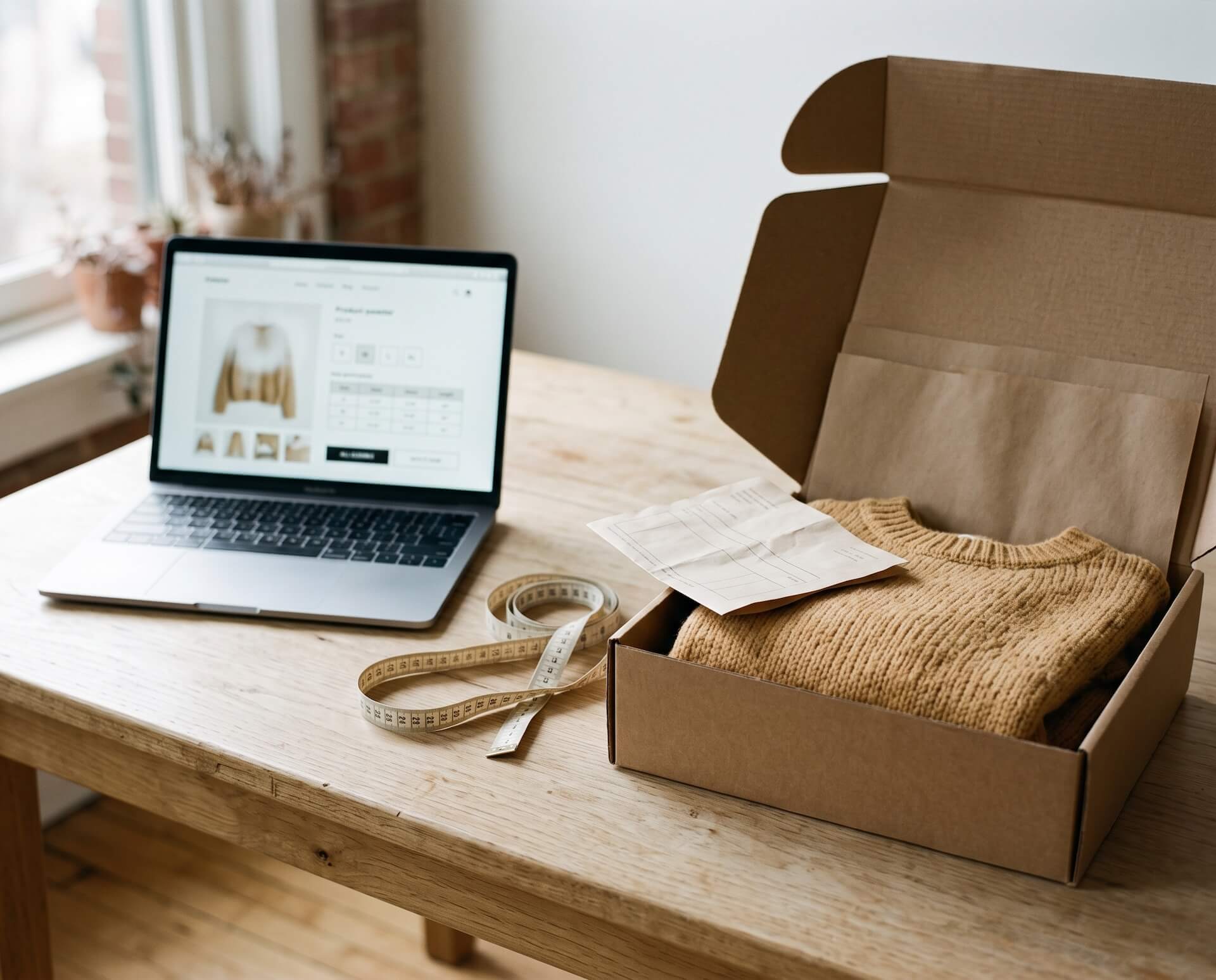
Sports and Fitness Ecommerce: Guide Shoppers by Goal, Experience, and Training Needs
Learn how sports and fitness brands can guide shoppers by training goal, experience level, product suitability, and event readiness—without forcing them to interpret the entire catalog alone.
Sports and fitness shoppers rarely begin with a perfectly defined product.
They begin with a goal.
They may want to train for an event, improve strength, exercise at home, return to a sport, or replace equipment that no longer meets their needs. The store must help them translate that goal into the right product, size, specification, and supporting gear.
When the catalog is organized only by product type, shoppers are left to make that connection alone.
Direct Answer
Sports and fitness brands can improve ecommerce conversion by guiding shoppers according to their goals, experience level, physical requirements, training environment, and event needs. Proactive AI shopping guidance can make those factors easier to evaluate and recommend a suitable product path before uncertainty causes the shopper to leave.
Product discovery should begin with the shopper’s goal
A category such as shoes, equipment, apparel, or accessories may contain dozens of options.
The shopper may not know which product category, feature, or model is appropriate. They are more likely to think in practical terms:
- I am training for my first race.
- I need equipment for a small apartment.
- I want more support during high-impact exercise.
- I am returning to training after a long break.
- I need a product suitable for outdoor use.
- I want to improve performance without buying professional-level equipment.
A useful shopping journey connects those goals to product attributes.
Instead of asking shoppers to understand the complete catalog, help them narrow the decision through a small number of meaningful questions.
Experience level changes what “the right product” means
A beginner and an experienced athlete may both shop in the same category but need different products.
Beginners may value:
- Ease of use
- Comfort
- Clear setup instructions
- Versatility
- A lower initial commitment
- Essential accessories included
More experienced shoppers may prioritize:
- Performance specifications
- Durability
- Specialized fit
- Advanced materials
- Product weight
- Compatibility with an existing setup
The highest-priced product is not automatically the best recommendation. A strong recommendation explains why a product fits the shopper’s current level and what they may sacrifice by choosing another option.
Translate product features into training outcomes
Sports and fitness product pages often contain detailed descriptions of materials, construction, resistance levels, cushioning, weight, or technical features.
Those details matter only when the shopper understands their practical effect.
For example:
- More cushioning may support comfort over longer distances.
- A compact frame may be better for limited home space.
- Adjustable resistance may support several training levels.
- A lighter product may be easier to carry but less suitable for another priority.
- A particular material may perform better in specific weather conditions.
Avoid turning general product guidance into medical or performance guarantees. Explain intended use, manufacturer specifications, and relevant limitations clearly.
Fit and suitability extend beyond clothing size
Fit decisions in sports and fitness can involve:
- Body measurements
- Foot shape
- Support preference
- Equipment dimensions
- Weight capacity
- Skill level
- Range of motion
- Training surface
- Available space
- Intended intensity
A standard size chart may answer only one part of the decision.
For equipment, shoppers may need to know whether the product fits their room, storage area, vehicle, or existing training setup. For footwear and apparel, they may need guidance on intended activity, fit profile, and how one model differs from another.
Clear product data creates the foundation. Contextual guidance helps the shopper apply it.
Event readiness creates a time-sensitive purchase journey
Some sports purchases have a deadline.
The shopper may be preparing for a race, competition, trip, season, or scheduled training block. That changes the questions they need answered:
- Will the order arrive in time?
- Do I need to test or break in the product first?
- Is this suitable for the event conditions?
- What supporting equipment is required?
- Is a substitute available if my preferred option is out of stock?
Delivery information and stock availability should be easy to find. If the original product is unavailable, recommend an alternative that preserves the shopper’s essential requirements.
Do not suggest that every replacement is equivalent. Explain the important differences.
Bundles should support a complete activity
Sports and fitness bundles work best when they are organized around a real activity or training need.
Examples include:
- A home-workout starting set
- A race-day essentials bundle
- A recovery and mobility kit
- Equipment plus the necessary mounting or safety accessories
- A product with compatible replacement components
- Seasonal training essentials
The bundle should reduce preparation work, not create an excuse to add unrelated products.
Shopify’s recommendation guidance emphasizes that complementary products should be useful additions to the original item. Shopify Search & Discovery
Explain why each item belongs in the bundle and allow shoppers to remove components they do not need.
Shoppers may not have the patience to research every option
A motivated shopper can still leave when the decision requires too much work.
They may need to open multiple product pages, compare specifications, read training guides, check delivery information, and search for required accessories. Each additional step creates another opportunity for the purchase to lose momentum.
This does not necessarily mean the shopper has low intent.
It may mean the store has made the path from goal to product too difficult.
Use proactive guidance to narrow the decision
Aura Connect is a proactive AI shopping assistant that identifies real-time, on-site shopping signals and offers relevant guidance when shoppers encounter purchase friction.
For a sports and fitness store, those signals may suggest that a shopper is:
- Comparing several similar products
- Revisiting sizing or specification information
- Searching by activity or training goal
- Checking delivery information before an event
- Looking for compatible accessories
- Returning to a category after viewing an unavailable product
- Hesitating before completing an order
Aura Connect can offer guidance such as:
- Recommending a product for a stated training goal
- Explaining differences between beginner and advanced options
- Helping shoppers apply size or fit information
- Suggesting an in-stock alternative
- Recommending useful supporting products
- Clarifying shipping, return, or product-use information
- Helping resolve payment and checkout questions
The guidance should remain within the information approved by the merchant. It should not make medical, injury-prevention, or guaranteed-performance claims that the underlying product information cannot support.
Build product knowledge around decision factors
A useful sports and fitness knowledge foundation should include:
- Intended activities
- Recommended experience levels
- Fit and sizing information
- Product dimensions
- Weight and weight capacity
- Materials
- Usage environment
- Care instructions
- Compatibility
- Included components
- Required accessories
- Shipping and delivery information
- Return restrictions
- Safety and usage limitations
Merchants can start with existing product data, store pages, URLs, FAQs, and uploaded documents. The foundation can improve over time as recurring shopper questions reveal missing information.
Use conversations to improve merchandising
Pre-purchase questions are not only support requests. They are a source of merchandising insight.
Repeated questions can reveal:
- A product feature that shoppers do not understand
- A missing product comparison
- Demand for a beginner-friendly option
- Confusion about size or suitability
- A missing accessory or bundle
- Interest in a particular training goal
- Delivery concerns connected to an event or season
These insights can inform product-page changes, collection structure, educational content, bundles, and future product development.
What sports and fitness brands should measure
Evaluate whether guidance helps shoppers make progress:
- Guided product recommendation click-through rate
- Conversion after product guidance
- Add-to-cart rate by recommendation type
- Size or suitability question frequency
- Alternative-product acceptance
- Bundle attachment rate
- Average order value
- Checkout recovery rate
- Revenue influenced by assisted sessions
- Most common unresolved questions
The goal is not to generate as many interactions as possible. It is to reduce unnecessary effort between the shopper’s goal and the completed order.
What proactive guidance cannot solve
Shopping guidance cannot compensate for:
- Inaccurate product information
- Unsupported performance claims
- Poor product quality
- Missing inventory
- Unclear delivery operations
- An unsuitable product range
- Medical questions requiring a qualified professional
- Technical storefront or checkout failures
When the available information is insufficient, the responsible response is to explain the limitation or direct the shopper to human support.
A practical sports and fitness checklist
Confirm that shoppers can:
- Find products by activity or goal
- Understand which options suit their experience level
- Apply sizing, fit, and equipment-dimension information
- Compare similar products using meaningful differences
- Check whether a product suits their training environment
- Find an alternative when an item is unavailable
- Identify required or useful accessories
- Confirm delivery timing for event-sensitive purchases
- Get additional guidance without restarting their search
These improvements make the store easier to shop for both beginners and experienced customers.
Help shoppers move from ambition to action
Sports and fitness purchases are personal because the shopper is buying for a goal they care about.
A store creates more value when it does more than organize products into collections. It helps shoppers understand which product fits their activity, level, environment, and next step.
When the decision becomes clearer, the shopper can spend less time interpreting the catalog—and more time moving toward the goal that brought them to the store.
Guide every shopper toward a better-fit product
Help sports and fitness shoppers choose by goal, experience, fit, and training needs before uncertainty stops the purchase.
Sources
- Shopify: Customize Product Recommendations With Search & Discovery
- Shopify: Product Bundles
- Shopify: Shopify Bundles
- Shopify: Storefront Search and Discovery
- Baymard Institute: Product Page UX Best Practices
- Baymard Institute: Provide an “In Scale” Product Image
- Baymard Institute: Product Page UX Research